Do Tiny Home Kits Come Assembled? What Buyers Should Know
Do tiny home kits come assembled? Learn what is usually included, how much setup is required, and what buyers should verify before ordering.
One of the most common questions buyers ask is whether tiny home kits come assembled. It is an important question, because the answer affects cost, setup time, labor needs, and overall expectations.
The short answer is: usually not fully assembled.
In many cases, a tiny home kit is exactly what the name suggests — a kit. That means it may include structural components, panels, framing elements, or other major parts, but still require assembly, finishing, installation, and utility work after delivery. As an example, here is a Shed with Floor Kit, on Amazon.
That is why buyers should never assume a tiny home kit is the same thing as a move-in-ready tiny home.
This guide explains what tiny home kits usually include, how assembled they tend to be, and what buyers should check before ordering.
Quick Answer
Most tiny home kits do not come fully assembled. Some may arrive as partially prefabricated components or modular sections, but many still require assembly, setup, finishing, and site preparation before they are usable.
What “Assembled” Can Mean in Tiny Home Listings
One reason buyers get confused is that the word assembled can mean different things depending on the seller and product type.
A listing may fall into one of these categories:
Flat-Pack or Panel Kit
These usually require significant assembly after delivery. Walls, framing pieces, roof sections, and other components may need to be put together on site.
Partially Prefabricated Kit
Some kits arrive with larger prebuilt sections, which can reduce labor, but they still may not be ready for immediate use.
Expandable Unit
Some structures unfold or expand after delivery, but that does not always mean they are fully finished or utility-ready.
Modular or Semi-Assembled Structure
Some units may arrive closer to a complete building shell, yet still require installation, finishing, utility work, or anchoring.
That is why “assembled” is not a yes-or-no question. It is more of a spectrum.
Do Tiny Home Kits Usually Come Fully Assembled?
In most cases, no.
A true tiny home kit is often sold as a product that still requires at least some combination of:
- assembly
- foundation or base preparation
- weather sealing
- anchoring
- interior finishing
- electrical work
- plumbing work
- utility hookup
- permits or inspections depending on local rules
Some kits may be easier to set up than others, but buyers should be cautious about assuming a kit will arrive fully built and ready to live in.
What Tiny Home Kits Often Include
The included items vary widely, but many kits may include some combination of:
- framing components
- wall panels
- roof pieces
- windows
- doors
- flooring components
- exterior shell materials
- hardware for assembly
What may not always be included:
- plumbing
- electrical wiring
- HVAC
- insulation
- finished interiors
- fixtures
- appliances
- foundation materials
- labor
This is one reason tiny home kits can appear cheaper at first glance. The lower price may reflect that much of the final work is still up to the buyer.
What Buyers Often Mistake for “Fully Assembled”
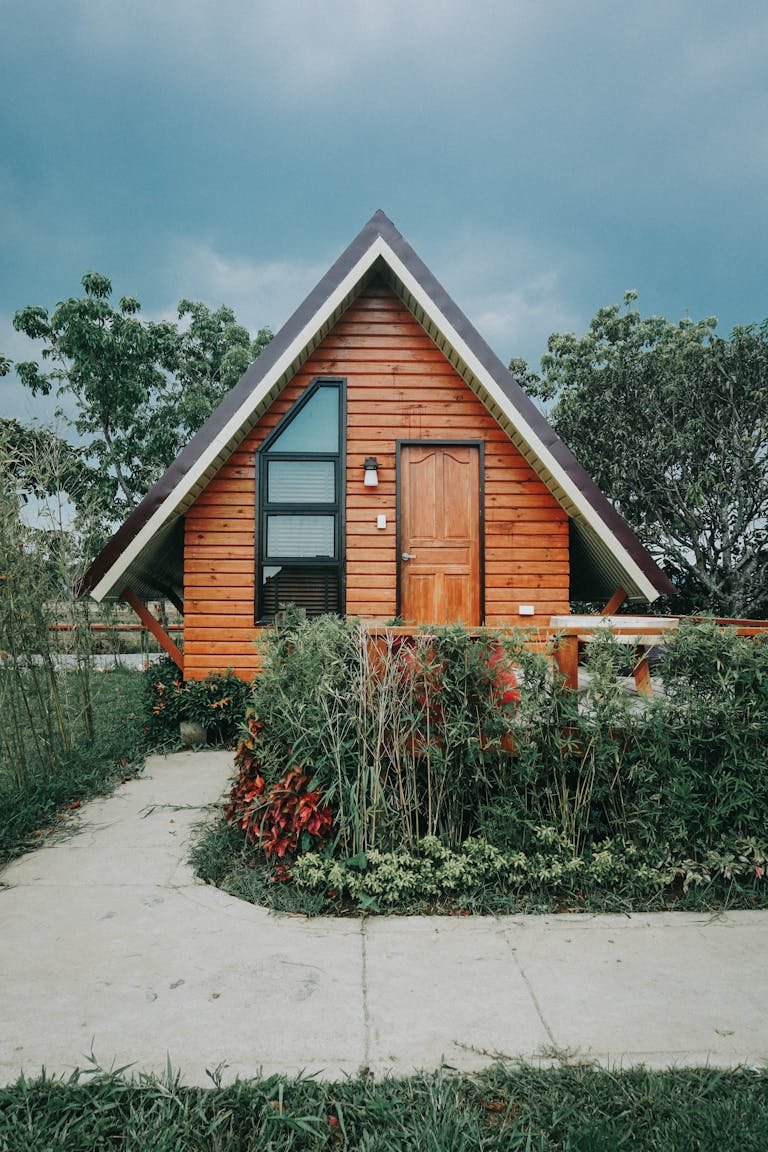
A lot of listings use polished images that make a structure look complete. That can lead buyers to assume they are getting something much closer to a finished home than what is actually being sold.
Here are common sources of confusion:
Finished-Looking Photos
The images may show a styled, attractive structure even if the actual product is a kit or shell.
Broad Marketing Language
Words like modern, prefab, tiny house, or ready-made can sound more complete than the actual product details suggest.
Missing Utility Details
If plumbing, electrical, or HVAC are not clearly listed, buyers should not assume they are included.
No Installation Context
Even a partially assembled unit may still need major setup once it reaches the property.
Tiny Home Kit vs Fully Assembled Tiny Home
This is one of the most important differences to understand.
Tiny Home Kit
A kit usually gives you the structure or the major building components, but it may still require substantial work before it becomes usable.
Fully Assembled Tiny Home
A more fully assembled unit may arrive in much more complete form, but even then, buyers may still need:
- delivery planning
- utility hookups
- site preparation
- permits
- code compliance checks
So even “assembled” does not always mean “move-in ready.”
What to Check Before Ordering a Tiny Home Kit
If you are comparing tiny home kits, check these details carefully.
1. How Much Assembly Is Required
Look for clear wording about whether the product arrives flat-packed, partially assembled, fold-out, modular, or near-complete.
2. What Is Included
Review the listing for exact details on structural components, windows, doors, roof materials, flooring, and finishes.
3. What Is Not Included
This is just as important as what is included. Plumbing, electrical, HVAC, and interior finish work are often major cost drivers.
4. Site Preparation Needs
A kit may require a prepared base, foundation, or anchoring system.
5. Delivery and Unloading
Large structures and kits often involve freight logistics that are more complex than typical online orders.
6. Local Rules
Even a legitimate kit still has to fit zoning, code, and permitting requirements where you plan to place it.
Are Tiny Home Kits Easier Than Other Detached Building Kits?
Sometimes, but not always.
This is where your broader site direction becomes useful. Tiny home kits are part of a larger world of detached structures sold online, including:
- sheds
- garages
- barns
- gazebos
- saunas
- kennels
- backyard studios
- office pods
- guest house kits
Many of these products raise similar questions:
- how much assembly is required
- what is included
- whether utility systems are part of the package
- what setup and site prep are needed
In that sense, tiny home kits are not unusual. They are part of a wider category of online detached-building products where buyers need to carefully compare kit level versus finished level.
Who Tiny Home Kits May Be Best For
Tiny home kits may be a good fit for buyers who:
- want more control over the build process
- understand that assembly is part of the purchase
- are comfortable hiring help if needed
- want to compare lower upfront price points
- are looking at guest house, office, or backyard-use potential
- are already researching sheds, garages, barns, or other detached structures
These buyers are often more realistic about the work involved.
Who Should Be More Careful
A buyer should be more cautious if they:
- expect a move-in-ready home
- do not want to coordinate installation
- are not prepared for extra labor costs
- assume all utilities are already included
- are relying mainly on listing photos
- have not researched site or permit requirements
A tiny home kit can still be a good option, but only if expectations match reality.
Are Assembled Units Worth Paying More For?
In many cases, paying more for a more complete unit may be worth it if your main goal is convenience and lower post-delivery labor.
However, that depends on:
- your budget
- your timeline
- your intended use
- how much work you are comfortable handling
- whether you need a guest space, office, backyard structure, or something closer to living-ready
For some buyers, a kit makes sense. For others, a more assembled detached structure may be the better value once labor and finishing costs are considered.
Final Verdict: Do Tiny Home Kits Come Assembled?
Usually, not fully.
Most tiny home kits should be viewed as products that require at least some assembly, finishing, or installation after delivery. Some may arrive closer to complete than others, but buyers should always verify exactly what “assembled” means in the listing.
The smartest approach is to compare:
- structure type
- included components
- setup requirements
- delivery logistics
- utility details
- local compliance needs
That way, you can avoid mistaking a kit for a complete home and choose a product that fits your real-world goals.
For more articles and reviews, please visit TinyMod.